


Quick Fact – Decarbonization – Part 1
This is a four-part series looking at how climate impact is rapidly changing our world and the coming challenges as we make the transition to a future that is climate sustainable.
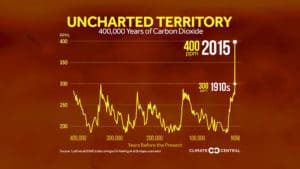 Carbon emissions have jumped over 30% during the last 100 years, compared to the worst peak in the previous 400,000 years. The accelerating impact of climate change makes carbon reduction a global imperative, to reverse a century of enormous fossil fuel emissions. This reversal is often referred to as Decarbonization
- Decarbonization is the Key to Saving the Planet: Quickly reducing carbon emissions is the key to halting the dangerous warming of the planet, acidification of the oceans, and collapse of our planetary ecosystem.
 As many as 1 million species are now at risk of extinction, many within decades, warns the UN’s Intergovernmental Science-Policy Platform on Biodiversity and Ecosystem Services.
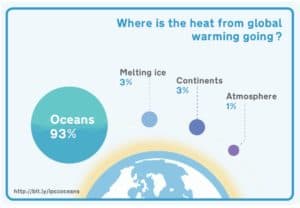
- We live in the heart of the Salish Sea. Oceans have been rapidly heating over the past few decades, with about half of the increase since 1865 occurring in the past 20 year.
- Decarbonization can slow the rate of extinction. The most effective methods of decarbonization come from behavior changing initiatives:
- Decarbonizing Energy Generation – switching from fossil-fueled power plants (coal and natural gas) to clean energy, including hydro, solar and wind power.
- Decarbonizing Energy Consumption – switching from fossil-fueled transportation and heating to electric vehicles (EVs) and clean super-efficient electric heating (heat pumps).
- Though OPALCO’s hydro-based energy is very clean, much of Washington state uses energy from coal and natural gas. Collectively, energy generation and consumption account for over 80% of carbon emissions in Washington state. As the region decarbonizes, we will encounter serious challenges, including potential energy shortages and rising power costs.
Learn more:
Read the full four part Quick Fact series at: www.opalco.com/quick-facts
The Global Assessment Report on Biodiversity and Ecosystem Services