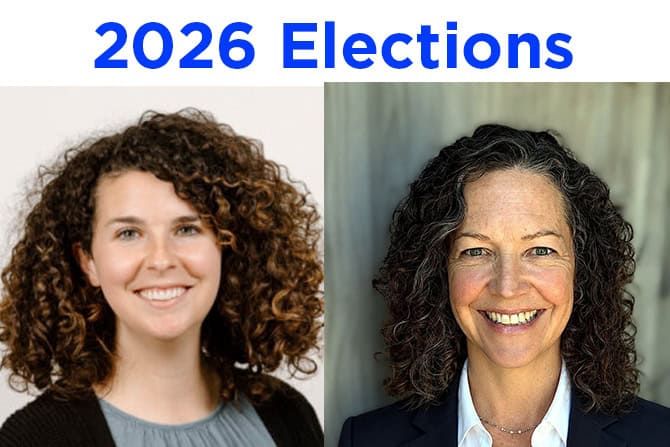


Co-ops Vote! Find out more about San Juan County Council 2026 Candidates
District 3 2026 Candidates
 Katherine Bryant Ingman
- What is your overall vision for San Juan County’s energy future over the next 20 years, and where do you draw the line between energy resilience and preserving island character?
My vision for San Juan County’s energy future is to remain connected to the reliable, low-cost hydropower we receive from the mainland to preserve our island character, while building enough local renewable energy and storage to make our community more resilient and self-sufficient. I hear from residents and guests alike that, the natural environment and access to public spaces are the number one reason people move here and visit our county. It’s a multi-pronged approach. We need to upgrade the existing grid and diversify our energy load to include more solar and electric projects with community involvement driving the work. There is not a one size fits all approach here. It takes collaboration, experts, and community members working together to meet all resident’s needs.
We should focus on reducing energy demand through efficiency improvements, supporting cleaner transportation options, and encouraging local renewable projects like rooftop and community solar where they make sense. We need to ensure that the community is well-informed and is involved in the process. - The Comprehensive Plan identifies utility-scale renewable generation and storage facilities as Essential Public Facilities. Do you support that designation, and how should the county balance that standard against neighboring landowner’s concerns?
We are lucky to have a community minded co-op like OPALCO providing our power in SJC! I do support that designation because we need local renewable generation to keep up with growing energy demand in our county and clean energy regulations at the state level. I believe that these facilities will have a net positive impact on our community. I also care about any potential negative impacts that improperly sited facilities could have on my neighbors, which is why it’s so important that essential public facilities still require proper oversight and community input. - How would you work with the county and OPALCO to resolve tension and come to a solution when a proposed local renewable generation project or other necessary infrastructure project siting might conflict with values of maintaining scenic views and rural character?
I believe resolving tension begins by listening well to all involved, especially neighbors most directly impacted. Historically, some residents have felt excluded from these discussions and processes. I believe we can collectively chart a new path forward for communication and community input where all are invited and the process is inclusive and thorough. - San Juan County’s land use tables require a Conditional Use Permit (CUP) for utilityscale renewable, storage and emergency restoration projects. In OPALCO’s December 2025 member survey, 63% of those surveyed supported streamlining permitting for essential services and 60% of those surveyed supported adjusting land use policies to allow more local generation. Would you support updating the land use tables so qualifying renewable projects could have a more streamlined permitting process?
Yes. I support updating the land use tables and permitting process to provide greater certainty for renewable energy projects that serve essential community needs. Just as the County partnered with OPALCO to expand broadband infrastructure, we should create a clear, expected framework for local renewable energy development. Streamlined permitting will help keep critical projects on schedule, improve access to grant funding, and strengthen our energy resilience. Public engagement remains essential so it should be incorporated into a process that is transparent, efficient, and consistent for everyone involved. The goal is simple: support responsible renewable energy development while maintaining public trust and accountability. - Most of San Juan County’s electricity comes from mainland hydropower delivered through two submarine cables that are approaching capacity. How important is hydropower and other mainland-sourced power in your vision for the county’s longterm energy supply?
We absolutely need hydropower from the mainland to continue supplying power in SJC. It’s critically important that the cables need to be replaced. We’re lucky to live in a county with the most rooftop solar per capita, in large part thanks to OPALCO’s programs and incentives, but we need this critical part of our energy landscape to fulfill the legality of power to the entire county. We need both connection to the mainland and vision for becoming more independent in the future. - San Juan County’s shortage of affordable housing is cited in the Comprehensive Plan as a direct cause of hiring and retention di\iculty for local organizations like OPALCO, Rock Island, and County government. What role should the county play in supporting workforce housing for essential service employers?
The county should be a leader in facilitating workforce housing development through private partnerships with our ongoing aLordable housing organizations, streamlining permitting where appropriate, and being thoughtful about current regulations. San Juan County has the highest cost of living in the state. Growing wages, making housing more aLordable and possibly part of benefit packages, as well as an acknowledgment and education for the community.
Encourage housing solutions that balance affordability, sustainability, and stewardship of the islands’ natural and agricultural landscapes. Increase eLorts to make all island homes safe and sustainable. Explore tools including ADU reforms, pre-approved building plans, permit streamlining, and other measures that may reduce housing costs and barriers to sustainable development. - Roughly half of county addresses are within serviceable distance of existing fiber optic infrastructure. Who should bear the cost of expanding broadband access to the rest of the county, including seniors needing telemedicine, low-income households, and families with school-age kids, and what should the county’s role be in getting there?
It’s a partnership: schools, housing leaders, OPALCO, Rock Island, the County, private citizens, and others need to work together to expand fiber-optic infrastructure and access. Grants and dollars coming into the county can work collaboratively to provide the most service to the most amount of people. It is not about one source but many. No community should be left behind with broadband access. The county should be a coordinator with all these partners and help remove barriers for expansion where necessary. - What are you, as a candidate, doing to educate yourself on the complexities and impacts of energy policies on the citizens of San Juan County?
I’ve had the great pleasure of meeting with committed staff from the Environmental Stewardship Department, learning from dedicated leaders at OPALCO, and listening to the community to understand the complexity of our energy world in SJC. I will continue to do everything I can to educate myself and listen well to the many sides and ideas on energy.
It’s important that all voices are considered as we navigate a path forward together.
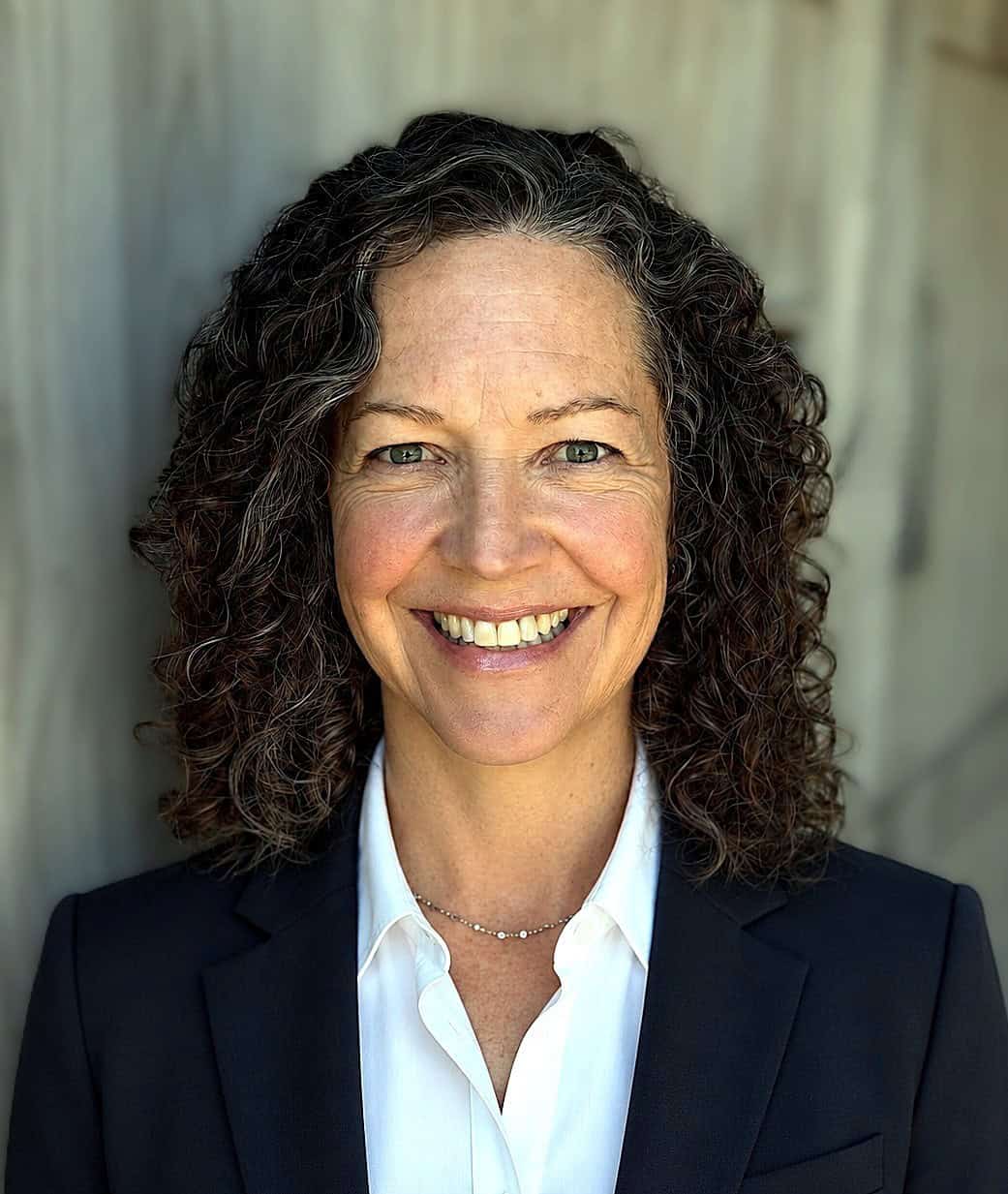 Jennifer Swanson
- What is your overall vision for San Juan County’s energy future over the next 20 years, and where do you draw the line between energy resilience and preserving island character?My overall vision for San Juan County is that we have energy security, our energy needs stay affordable to all residents, we learn to live within reasonable limits, and we will build out local production to provide resiliency. It is important for our county to be informed and thoughtful about how we grow. OPALCO predicts we will increase our demand approximately 30% in the next 20 years. San Juan County is currently at the top end of our Tier 1 allocation from Bonneville Power Administration (BPA) and any additional demand that exceeds 230 GWh would have to be purchased at a much higher Tier 2 market price, which would be passed on to the consumer. This moment in time is a real opportunity for San Juan County to be more energy resilient. We first need to educate ourselves about electrifying wisely, making buildings more efficient and shifting electricity use away from peak-demand periods. Second, we need to expand local renewable energy production through technologies like solar and battery storage in places that already exist – rooftops, parking canopies, and existing structures. I don’t see this as an either-or choice. We can plan for a resilient energy future and preserve what makes these islands special if we are thoughtful about how we do it.
- The Comprehensive Plan identifies utility-scale renewable generation and storage facilities as Essential Public Facilities. Do you support that designation, and how should the county balance that standard against neighboring landowners’ concerns?The EPF designation presents a high bar. The proponent must show that the proposed site is the best or only location among other sites that have been evaluated. The EPF designation is essentially forever while the Conditional Use Permit is more easily amended. Going through the more robust EPF permitting process allows the public to have a more substantial say in the proposed site. The EPF designation carries a lot of weight, but I don’t think it should come at the cost of neighbors’ legitimate concerns or careful environmental review. I believe most of this tension can be reduced by doing the harder work of community conversation early. I also believe we can design these facilities thoughtfully, with attention to screening and appearance.
- How would you work with the county and OPALCO to resolve tension and come to a solution when a proposed local renewable generation project or other necessary infrastructure project siting might conflict with values of maintaining scenic views and rural character?These conversations often start too late. By the time a specific site is proposed, OPALCO has already invested time and resources, neighbors feel blindsided, and the County is left with and up-or-down vote that puts everyone in a defensive position. That is a hard way to build trust or have good outcomes. Again, taking the time to do the work of real community engagement is a proactive path to getting community buy-in on understanding our growing energy demands. Cooperative members need to feel like their voices are being heard and addressed.
- San Juan County’s land use tables require a Conditional Use Permit (CUP) for utility-scale renewable, storage and emergency restoration projects. In OPALCO’s December 2025 member survey, 63% of those surveyed supported streamlining permitting for essential services and 60% of those surveyed supported adjusting land use policies to allow more local generation. Would you support updating the land use tables so qualifying renewable projects could have a more streamlined permitting process?I am in support of updating land use tables to make it easier for individual homeowners to generate their own power. For utility-scale projects, I would support a more streamlined process for projects that meet clear conditions: sited on existing structures, on already degraded land, or in areas the community has identified together as lowerconflict. Projects that would require clearing healthy forests or affect prime farmland should continue through the full process.
- Most of San Juan County’s electricity comes from mainland hydropower delivered through two submarine cables that are approaching capacity. How important is hydropower and other mainland-sourced power in your vision for the county’s longterm energy supply?Hydropower is clean energy and will likely remain the dominant source for our county’s electricity needs. The existing submarine cables are essential infrastructure that needs to be maintained and replaced as the cables age. Hydropower from BPA does come at an environmental cost with existing dams that block salmon habitat, the main food source for our Southern Resident orca whales.
- San Juan County’s shortage of affordable housing is cited in the Comprehensive Plan as a direct cause of hiring and retention difficulty for local organizations like OPALCO, Rock Island, and County government. What role should the county play in supporting workforce housing for essential service employers?Housing is out of reach for many people in our county, and should be viewed as essential infrastructure. When schools, fire districts, hospital districts, county departments and OPALCO can’t hire or retain qualified employees, this affects all of us. The County’s most direct role is through its own code. I support policies that open pathways to housing for our working and middle class. Additionally, San Juan County needs to apply for state and federal funding that support affordable housing measures, including maintaining and upgrading local utilities as part of this essential infrastructure.
- Roughly half of county addresses are within serviceable distance of existing fiber optic infrastructure. Who should bear the cost of expanding broadband access to the rest of the county, including seniors needing telemedicine, low-income households, and families with school-age kids, and what should the county’s role be in getting there?Broadband has become essential public infrastructure for a lot of county residents. In addition to telemedicine, access to high-speed internet opens doors for education as well as employment opportunities. I am excited to see that OPALCO applied for BEAD (Broadband Equity, Access, and Deployment Program) to expand high-speed internet in our county, which looks to bring high-speed connectivity to over 4,000 new locations in our county. OPALCO/Rock Island’s pricing structure will also have to remain competitive with other modern satellite options if they wish to attract and retain customers. Finally, the County should adopt a “dig once” policy so that fiber optic conduit is laid whenever a county road is opened for other utility work.
- What are you, as a candidate, doing to educate yourself on the complexities and impacts of energy policies on the citizens of San Juan County?As a member of OPALCO, I stay informed by attending candidate forums and talking to my local OPALCO representative. I also read our local papers and stay abreast of current events surrounding OPALCO, BPA or state initiatives that have downstream impacts for our county. I have also been seeking independent energy professionals who live in our islands and work on grid transition and renewable policy both regionally and nationally. This helps broaden my understanding beyond one perspective. And most importantly, I have been talking with San Juan County residents directly. Energy isn’t only about kilowatts and infrastructure. Energy shows up each month in people’s daily lives. The positions I take on this issue reflect that lived experience, not just the technical picture, and I’ll keep listening as this work continues.