
Surge Protection 101
A few precautions can keep your home and electronics safe
A power surge is an unexpected increase in voltage, and it can occur from a variety of sources. Regardless of the cause, power surges can damage electronic devices and equipment in your home, especially if there is no protective equipment in place.
A common cause of power surges is electrical overload. This happens when devices or appliances are plugged into an outlet that can’t handle the required amount of voltage, or if multiple devices are plugged into one outlet through an extension cord. If you’re experiencing power surges due to electrical overload, it’s time to call a licensed electrician to evaluate your home’s circuits and electrical needs.
Faulty wiring in a home can also cause power surges. Damaged or exposed wires can cause spikes in voltage, creating a potentially dangerous situation. If you notice signs of faulty wiring, such as visible burns on outlets, buzzing sounds from outlets or frequently tripped circuit breakers, your home may be due for electrical wiring repairs and updates.
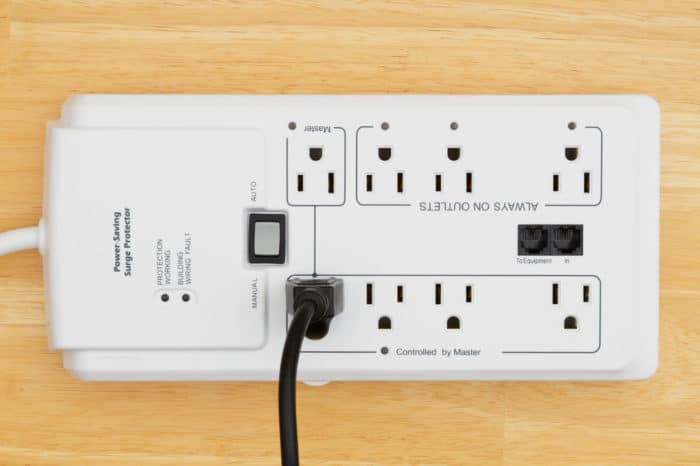
Surges may occur after a power outage. Sometimes, when electricity is being restored and reconnected, it’s common to experience a quick surge in current. Aside from unplugging devices when you suspect a power surge, there are two ways you can take additional precautions to protect electronics in your home. Point-of-use surge protection devices, such as power strips, can protect electronics during most surges. Not all power strips include surge protection, so read the packaging label carefully before you buy, and don’t overload the power strip with too many devices. You can also install specialized electrical outlets that offer additional surge protection. Talk to a licensed electrician to learn more.
Another option is a whole-home surge protector, which can help protect your home from larger, more powerful surges. In most cases, whole-home suppressors are connected to your home’s service panel and include such features as thermal fuses and notification capabilities that indicate when a device has been impacted by a surge. Be sure to ask your electrician to check that your electrical system is properly grounded, as ungrounded surge protection equipment may not stop damage to sensitive appliances.
Occasional power surges are inevitable, but by unplugging devices when you think a surge may occur and using additional levels of protection, including power strips or whole-home suppressors, you can better safeguard your sensitive electronics and devices. Because there are many different types of devices and technologies, Orcas Power & Light Cooperative does not recommend one specific device. Check with your installer or device manufacturer to see what solutions they recommend. OPALCO’s policies require members to safeguard their own equipment. The co-op does not cover damages that occur past the meter on the member’s side. Visit opalco.com/surge or call us for more surge protection information.